How the technique works
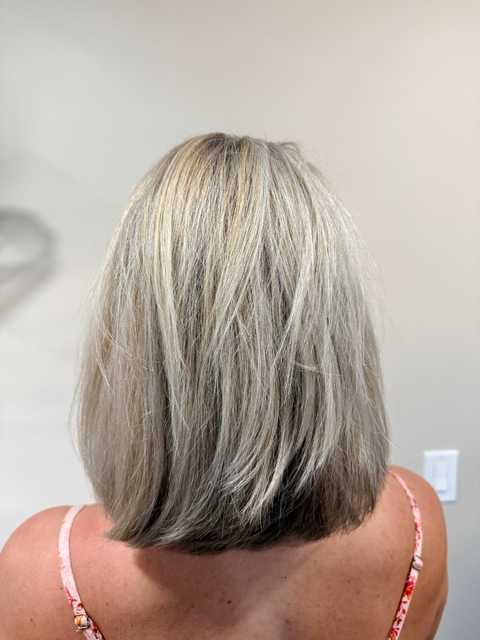
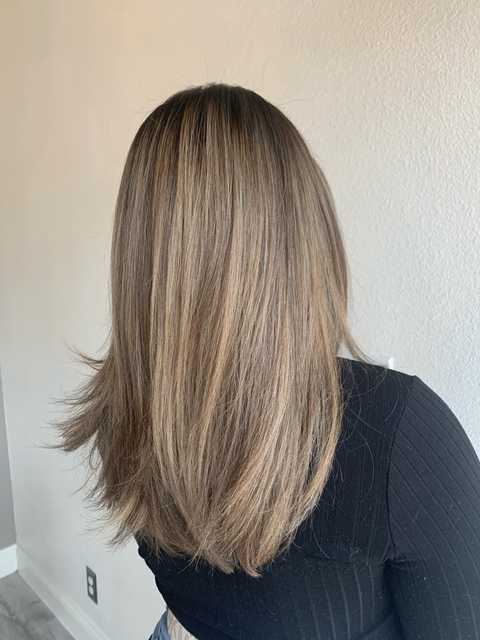
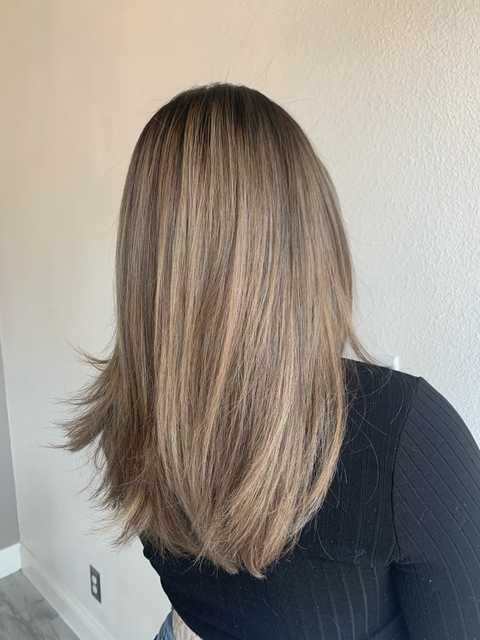
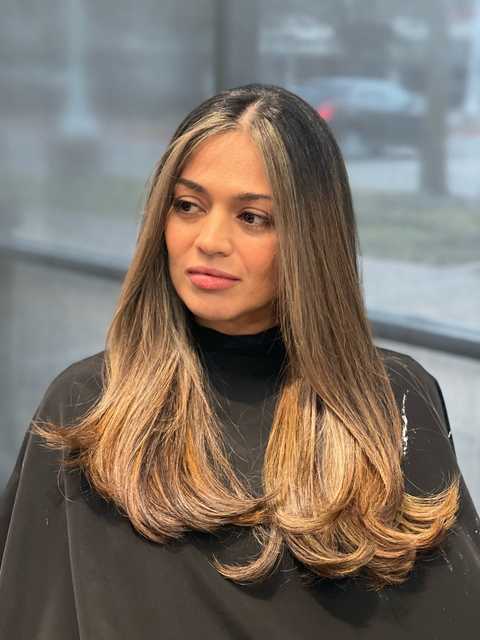
Lowlights and highlights create dimension by placing darker and lighter color strategically through hair to emphasize shape and movement. The result is driven by your natural pigment, previous color history, and the amount of contrast you want. We assess those factors to choose depth and brightness that enhance—not overpower—your base tone.
Placement, saturation and tone choices determine whether color reads subtle or bold. Clients with previous damage or gray growth often need a careful approach that balances brightness with conditioning. Precise foil or hand-painted sections control lift and blend, so the final look depends on sectioning, developer strength and the chosen balance of dark and light.
What to expect at appointment
Every session begins with a consultation about desired depth and brightness, your daily routine, and any past color concerns. Service pricing is Starting at $285 and the recorded duration is 10 MINUTES; actual chair time will vary by hair length, density, and whether correction or toning is needed to reach your goal.
Expect clean, methodical foil or painted application, precise timing, and professional toning to manage brassiness or warmth. The salon’s location near Loop 202 makes before-or-after-work and evening appointments convenient for commuters. Many clients appreciate a relaxed, no-pressure experience that includes personalized guidance on preserving hair health between visits.
Maintenance and timing choices
Maintenance depends on contrast and chosen brightness: brighter, high-contrast highlights generally require more frequent toning and targeted care, while lowlights that blend with your base need less upkeep. Peak demand occurs in May, and again in October and November, when clients either brighten for summer or add richer lowlights for fall transitions.
There is a trade-off between immediate brightness and long-term hair condition. Corrections and brighter results sometimes require staged sessions to protect hair integrity. Many clients who came in with overprocessed or brassy color found their hair healthier after a careful correction plan and ongoing home care guidance.